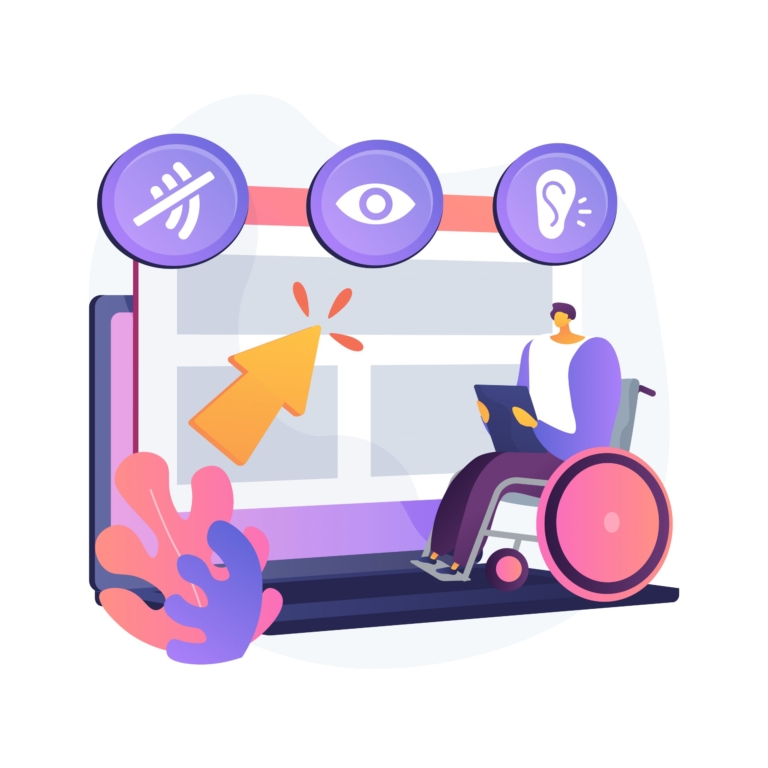
There are many factors that go into website ranking. One key ranking factor is accessibility, which refers to how easy it is for users to access and navigate your site. If your site is not accessible, you will likely see a decline in traffic and engagement. In this blog post, we will discuss why website accessibility is important and offer some tips on how to make your site more accessible.
Why Is Website Accessibility Important?
There are a few reasons why website accessibility is so important. First, it ensures that everyone can use your site, regardless of ability or disability. This is not only the right thing to do from an ethical standpoint, but it also broadens your potential customer base. Second, accessible websites tend to be well-organised and easy to use, which helps improve the user experience. And third, accessible websites are often better optimised for search engines, which can lead to higher rankings.
How Can I Make My Website More Accessible?
There are many ways you can make your website more accessible. First, choose a robust and user-friendly content management system (CMS). WordPress is a popular option that powers millions of websites around the world. Second, make sure your website design is responsive, meaning it will adjust to fit any screen size. Third, use descriptive headlines and subheadings so users can easily scan your content. Fourth, use alt text for images so users with visual impairments can still understand what they depict. Fifth, transcripts for audio and video files can also help those with visual or hearing impairments consume your content. Finally, using simple language and avoiding jargon will ensure that everyone can understand your message applying these tips can help you make your site more accessible and improve your rankings as a result.
Making your website accessible is not only the right thing to do from an ethical standpoint, but it also has numerous practical benefits, such as improved rankings and a broader potential customer base. Luckily, there are many ways you can make your website more accessible. We hope this blog post has given you some ideas on how to get started!